

Why Most Parlays Lose and How Predictive Models Are Changing the Math

Parlays are one of the most popular ways people bet on sports. Small wagers, big payouts, and the excitement of needing just one more leg to hit make them incredibly appealing. There is also a reason sportsbooks heavily promote them.
Every additional leg in a parlay multiplies risk. Even when individual bets feel safe, the combined probability drops faster than most bettors realize. This effect, known as probability decay, is the core reason most parlays lose over time.
The problem is not that parlays are broken. The problem is how they are built.
The Hidden Math: How Probability Decay Destroys Most Parlays
When bettors create parlays, they often rely on intuition, recent performance, narratives, or emotional confidence. What is missing from most slips is a clear understanding of true probability. A two leg parlay with solid looking bets can already cut the true chance of winning nearly in half. By the time a slip reaches four or five legs, the odds of success are often far lower than the payout suggests.
Professional bettors approach parlays very differently. They do not start with payouts or favorites. They start with probability.
How Predictive Models Evaluate Parlay Legs Differently
Predictive models analyze historical performance, matchup context, usage patterns, and market behavior to estimate how often an outcome should actually occur. Instead of asking whether a bet feels good, models ask whether the market is underestimating or overestimating the true likelihood of that outcome.
This distinction is critical in parlays. One weak leg does not just reduce your odds slightly. It usually ruins the entire slip.
The Evolution of Parlay Strategy
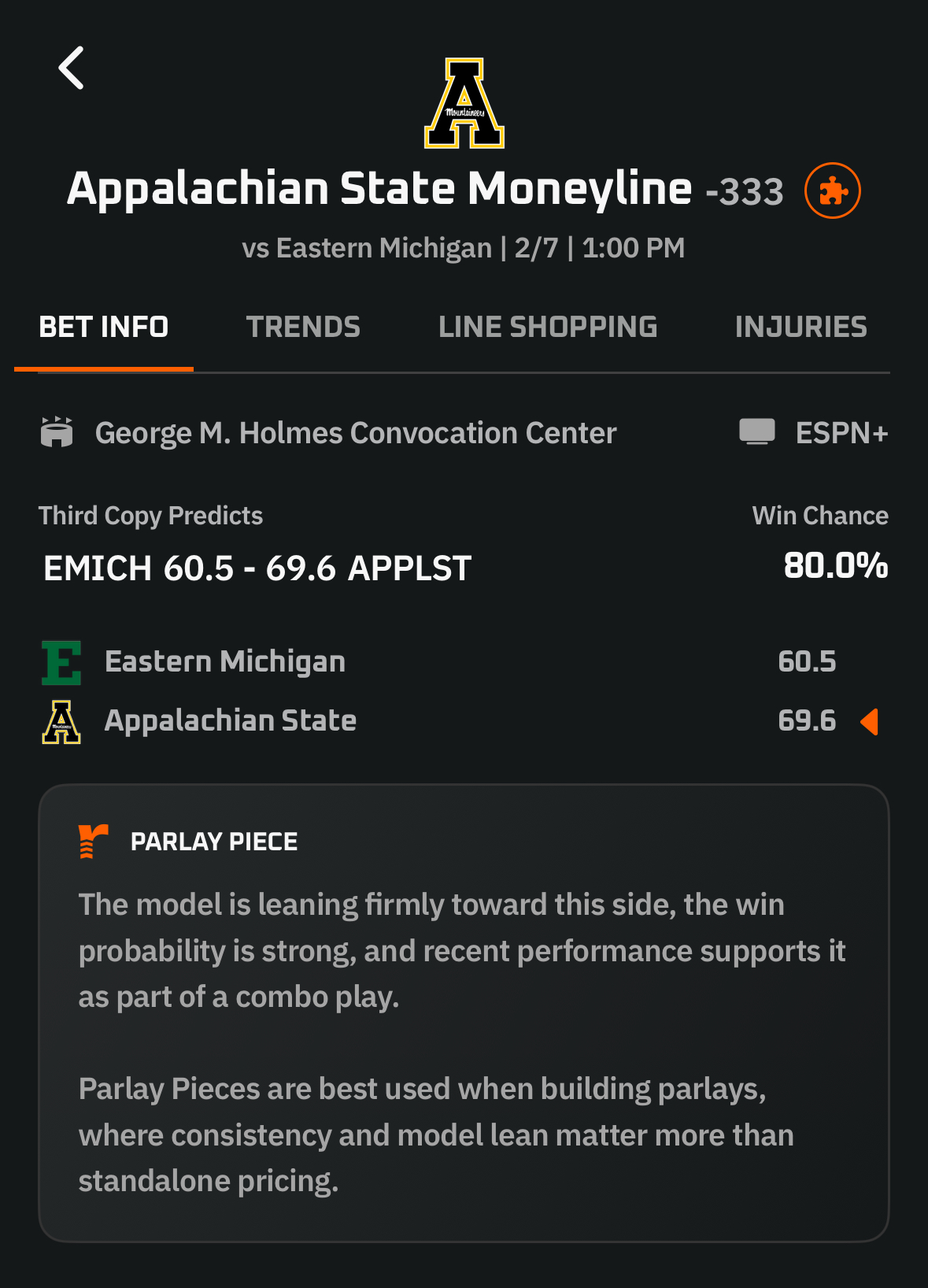
In recent years, parlay strategy has begun to evolve. Instead of manually stacking picks, bettors now have access to tools that evaluate each leg individually and in combination. These tools help identify which legs strengthen a parlay and which ones quietly add unnecessary risk.
This shift is why platforms like Rithmm are increasingly mentioned in discussions around smarter parlay construction. Rithmm applies predictive modeling to identify strong individual bets and then helps bettors understand how those bets interact when combined into a parlay.
Rather than blindly chasing large payouts, bettors can now build slips with fewer legs, clearer probability backing, and better long term expectations. The goal is not to eliminate risk. The goal is to control it.
What Smarter Parlays Actually Look Like
Smarter parlays tend to share a few traits. They usually have fewer legs, lower correlation risk, and each leg has a measurable statistical edge rather than just narrative appeal. Over time, this approach leads to better decision making and more sustainable results.

Why Predictive Modeling Is Becoming Mainstream
For a long time, predictive modeling was only available to professional betting teams and quantitative analysts. Today, those same concepts are becoming accessible to everyday bettors. Just as fitness trackers made health data part of daily life, predictive models are beginning to normalize probability driven decision making in sports betting.
Once bettors experience that shift, it becomes difficult to go back to guessing.
Parlays do not lose because bettors are unlucky. They lose because probability compounds faster than intuition. Predictive models do not guarantee wins, but they improve the quality of every decision by replacing emotion with structure and math.
That is why the future of parlay betting is not about building bigger slips. It is about building smarter ones.
Rithmm offers a seven day free trial that allows bettors to explore predictive insights, optimized parlay legs, and probability based recommendations across major sports in one platform.